Introduction
Scaling a local service company in 2026 is no longer just about working harder—it’s about working smarter, building systems, and leveraging the right mix of people, processes, and technology. Whether you’re a solo operator or managing a growing team, the biggest challenge isn’t getting started—it’s creating a business that can grow consistently without breaking under pressure.
Today’s customers expect fast response times, transparent pricing, and consistently high-quality results every time. At the same time, competition is increasing across nearly every service category, making it essential to stand out not only through your work but through your operations and overall customer experience.
The good news is that scaling is more achievable than ever before. With modern tools, data insights, and proven growth strategies, you can expand your reach, increase revenue, and build a business that runs efficiently—even as demand increases.
This guide will walk you through the most important strategies to help you scale sustainably. From improving your internal systems to generating more leads and maximizing customer value, each section is designed to give you practical, actionable steps you can implement right away.
Build a Strong Operational Foundation for Growth
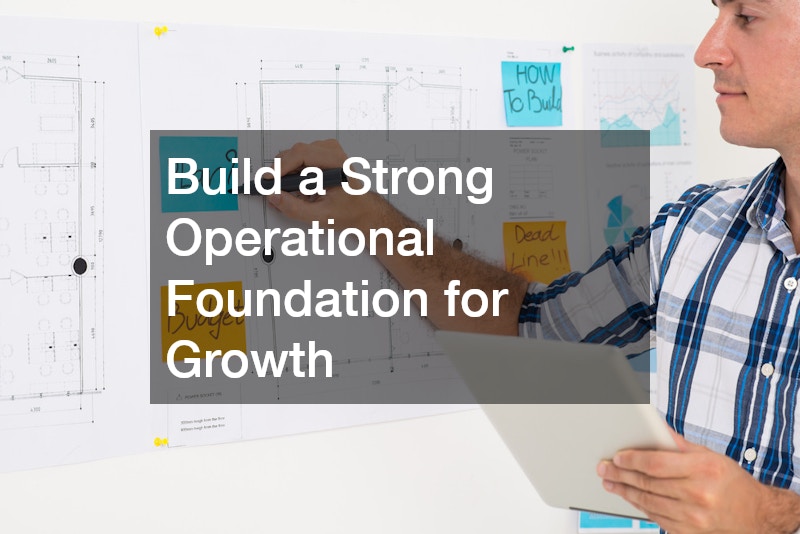
Before you can scale, you need a solid operational backbone. Many local service companies struggle with growth simply because their internal systems can’t handle increased demand. This is especially true for industries like a well drilling business or an excavating business, where logistics, equipment, and timelines are complex.
Start by standardizing your core processes. Every job—from the initial call to the final invoice—should follow a repeatable workflow. This reduces confusion, improves efficiency, and ensures consistency as you grow.
Key steps to strengthen operations:
-
Document every process in your business, including scheduling, dispatch, and job completion
-
Create checklists for field teams to ensure quality control
-
Develop a clear chain of responsibility so tasks don’t fall through the cracks
-
Implement job tracking systems to monitor progress in real time
Another critical factor is equipment management. Downtime can quickly eat into profits and damage your reputation. Set up a proactive maintenance schedule and track usage to prevent unexpected breakdowns.
Additionally, invest in project management tools designed for field service businesses. These tools can help you:
-
Assign jobs efficiently
-
Track employee productivity
-
Monitor job timelines
-
Communicate updates between office staff and field teams
When your operations are structured and predictable, scaling becomes far less risky. Instead of constantly putting out fires, you’ll be able to focus on growth and long-term strategy.
Develop a High-Converting Local Marketing Strategy
A strong marketing strategy is essential for attracting consistent, high-quality leads. For service providers like a roofing business or an hvac business, local visibility is everything. If customers can’t find you online, they’ll choose a competitor who shows up first.
Your foundation should be your local SEO presence. Start by optimizing your Google Business Profile with accurate information, high-quality photos, and frequent updates. Encourage satisfied customers to leave reviews, as these heavily influence purchasing decisions.
To increase conversions, focus on creating landing pages tailored to specific services and locations. Each page should:
-
Clearly explain the service you offer
-
Highlight your unique value proposition
-
Include strong calls to action
-
Feature testimonials and before-and-after photos
Paid advertising can also accelerate growth when done correctly. Run targeted campaigns on platforms like Google Ads and Facebook, focusing on high-intent keywords and local audiences. Track every campaign to ensure you’re getting a positive return on investment.
Don’t underestimate the power of visual content. Showcasing your work through photos and videos builds trust and helps potential customers visualize the results they can expect.
Consistency is key. Marketing isn’t a one-time effort—it’s an ongoing process that requires testing, refinement, and continuous improvement.
Create a Reliable Lead Generation System That Runs Year-Round

One of the biggest challenges for local service providers is maintaining a steady flow of leads throughout the year. A moving business or trash pickup business, for example, may experience seasonal fluctuations that make revenue unpredictable.
To overcome this, you need a diversified lead generation strategy. Relying on a single source—like word-of-mouth or paid ads—can leave you vulnerable. Instead, build multiple channels that work together to keep your pipeline full.
Effective lead generation strategies include:
-
Search engine optimization (SEO) for long-term organic traffic
-
Pay-per-click advertising for immediate visibility
-
Referral programs that incentivize past customers
-
Partnerships with complementary businesses
-
Social media campaigns to increase brand awareness
It’s also important to capture and track every lead. Use tools like call tracking and online forms to understand where your leads are coming from and which channels perform best.
Seasonal planning can make a big difference as well. During slower periods, focus on promotions, discounts, or bundled services to maintain demand. During peak seasons, ensure your systems are ready to handle increased volume without sacrificing quality.
A well-built lead generation system ensures that your business continues to grow, regardless of external factors.
Increase Revenue Per Customer with Smart Pricing and Upsells
Scaling isn’t just about getting more customers—it’s also about maximizing the value of each customer. For service providers like a waterproofing business or weed removal business, there are numerous opportunities to increase revenue without significantly increasing workload.
One of the most effective strategies is offering tiered service packages. Instead of a single option, provide multiple levels that cater to different needs and budgets. This allows customers to choose the level of service that’s right for them while increasing your average ticket size.
You can also bundle related services together. For example:
-
Offer maintenance plans alongside one-time services
-
Combine inspections with repair services
-
Provide seasonal packages at a discounted rate
Training your team to identify upsell opportunities is equally important. Field technicians are often the first to notice additional needs, so they should be equipped to recommend solutions in a helpful, non-pushy way.
Recurring revenue is another powerful growth driver. Subscription-based services or maintenance contracts provide consistent income and improve customer retention.
Finally, don’t be afraid to adjust your pricing. As demand increases and your reputation grows, your pricing should reflect the value you provide.
Efficient scheduling and communication are critical to scaling successfully. In industries like an hvac business or moving business, delays and miscommunication can quickly lead to unhappy customers and lost revenue.
Start by implementing scheduling software that allows you to:
-
View all jobs in a centralized calendar
-
Assign tasks based on availability and location
-
Minimize travel time between jobs
Real-time dispatching tools can further improve efficiency by enabling you to adjust schedules on the fly. This is especially useful for handling last-minute changes or emergencies.
Customer communication should also be streamlined and consistent. Consider automating:
-
Appointment confirmations
-
Reminder messages
-
Follow-up emails
Providing clear arrival windows and updates can significantly enhance the customer experience. Customers appreciate transparency and are more likely to leave positive reviews when they feel informed.
In addition to automation, consider implementing a dedicated communication platform that allows your team to share updates, notes, and photos from the field. This ensures that office staff and technicians are always on the same page, reducing errors and improving response times. Encourage your team to log job completions and any customer feedback in real time. Regularly reviewing these records can help identify recurring issues, improve workflow efficiency, and ensure higher customer satisfaction. By combining technology with clear internal communication protocols, you can maintain a professional, responsive service that supports growth while keeping customers happy.
Centralizing communication across phone, text, and email ensures that nothing gets missed and that your team stays aligned.
Build and Retain a High-Performing Team

Your team is the backbone of your business. Without reliable, skilled employees, scaling becomes nearly impossible. This is particularly true for labor-intensive industries like a scrap recycling business or trash pickup business.
Hiring the right people is the first step. Look beyond technical skills and focus on attitude, reliability, and willingness to learn. A positive team culture can be just as important as experience.
To retain top talent:
-
Offer competitive pay and benefits
-
Provide clear career growth opportunities
-
Recognize and reward strong performance
-
Foster a supportive and respectful work environment
Training should be ongoing, not just a one-time event. Regularly update your team on new processes, tools, and best practices to keep them performing at a high level.
Cross-training employees can also improve flexibility, allowing your team to adapt during busy periods or unexpected absences.
When your team is motivated and aligned with your goals, your business becomes far more scalable.
Leverage Technology and Automation to Scale Faster
Technology is one of the most powerful tools for scaling a service business. Whether you run a tax prep business or a scrap recycling business, automation can save time, reduce errors, and improve overall efficiency.
Start by implementing a customer relationship management (CRM) system to track interactions, manage leads, and maintain customer data. This allows you to provide a more personalized experience and improve retention.
Automation can be applied to many areas, including:
-
Invoicing and payment processing
-
Appointment scheduling
-
Customer follow-ups
-
Marketing campaigns
Data analytics tools can provide valuable insights into your business performance. By tracking key metrics, you can identify areas for improvement and make more informed decisions.
Artificial intelligence is also becoming increasingly accessible. AI-powered chatbots, for example, can handle basic customer inquiries, freeing up your team to focus on more complex tasks.
The goal is to eliminate repetitive tasks so you can focus on growth and strategy.
Expand Your Service Area Without Losing Quality
Expanding into new markets is a natural step when scaling your business. However, growth must be managed carefully to maintain quality and customer satisfaction. This is especially important for a well drilling business or roofing business, where reputation is everything.
Begin by identifying nearby areas with strong demand and limited competition. Use data and market research to guide your decisions.
When entering a new market:
-
Create localized marketing campaigns
-
Optimize your online presence for the new area
-
Build relationships with local partners
Consider establishing satellite teams or locations to reduce travel time and improve service efficiency.
Maintaining consistency is crucial. Ensure that all teams follow the same processes and standards, regardless of location. Regularly monitor performance and address any issues quickly.
Expansion should be strategic, not rushed. A well-planned approach will allow you to grow without compromising quality.
Strengthen Your Brand and Reputation in the Community
Your brand is more than just your logo—it’s how customers perceive your business. For service providers like a waterproofing business or excavating business, trust and reputation play a major role in attracting and retaining customers.
Start by developing a consistent brand identity, including your messaging, visuals, and tone of voice. This helps you stand out and creates a memorable impression.
Building a strong reputation involves:
-
Encouraging satisfied customers to leave reviews
-
Responding to feedback, both positive and negative
-
Showcasing testimonials and success stories
Community involvement can also enhance your brand. Sponsoring local events or participating in community initiatives demonstrates your commitment to the area and builds goodwill.
Transparency is key. Be honest about pricing, timelines, and expectations to build trust with your customers.
A strong brand not only attracts new customers but also fosters loyalty among existing ones.
Track the Right Metrics and Continuously Improve

To scale effectively, you need to measure your performance and make data-driven decisions. Whether you operate a weed removal business or a tax prep business, tracking the right metrics can reveal opportunities for growth and improvement.
Important metrics to monitor include:
-
Cost per lead
-
Conversion rate
-
Customer acquisition cost
-
Customer lifetime value
-
Job completion time
-
Employee productivity
Regularly reviewing these metrics allows you to identify trends and make adjustments as needed.
Implement a system for continuous improvement by:
-
Conducting regular performance reviews
-
Gathering feedback from customers and employees
-
Testing new strategies and measuring results
Data should guide your decisions, not guesswork. By consistently analyzing and refining your approach, you can achieve sustainable growth.
Conclusion
Scaling a local service business in 2026 requires a balanced approach that combines strong operations, effective marketing, and a commitment to continuous improvement. Growth doesn’t happen by accident—it’s the result of intentional strategies and consistent execution.
By focusing on building efficient systems, generating reliable leads, and delivering exceptional customer experiences, you can create a business that not only grows but thrives in a competitive market.
Remember, scaling is a journey. Start by implementing one or two strategies from this guide, measure your results, and build from there. Over time, these incremental improvements will compound, leading to significant growth and long-term success.
As you move forward, stay adaptable and open to change, as market conditions and customer expectations will continue to evolve. Regularly evaluate your processes, invest in your team, and leverage new tools that can improve efficiency. Consistency and persistence will set you apart, helping you build a resilient business that can sustain growth and remain competitive for years to come.