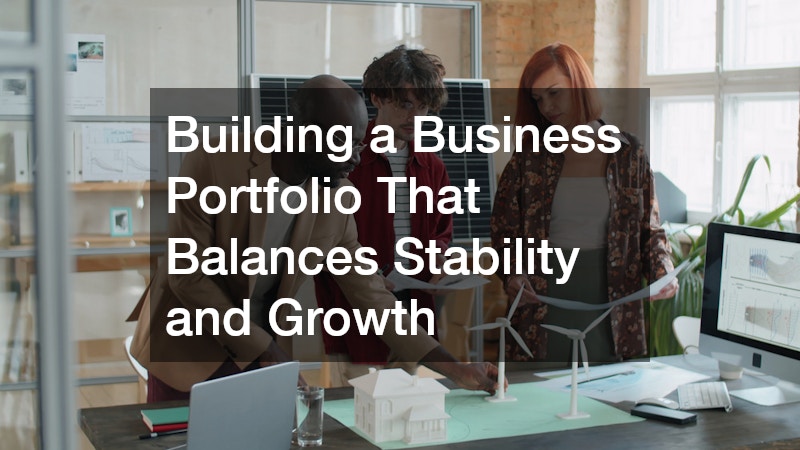
Scaling a manufacturing enterprise represents one of the most demanding operational transitions a business owner can face. When demand outpaces production capability, the initial excitement of growth rapidly transforms into severe organizational stress. Orders pile up, lead times stretch out, customer satisfaction degrades, and shop-floor personnel face burnout. Scaling is not simply doing more of the same thing faster; it requires a systematic overhaul of your physical footprint, financial strategies, technological stack, and logistics management. True operational scaling balances immediate output boosts with long-term structural resilience, ensuring that every increased unit of volume maintains high quality and profitability. Navigating this critical phase effectively hinges on a leadership team’s willingness to re-examine established processes and embrace modern industrial methodologies. By committing to comprehensive organizational evolution, companies turn temporary demand surges into permanent, defensible market advantages.
To navigate this transition successfully, leadership must shift from reactive problem-solving to proactive, long-range planning. You must evaluate every link in your production chain, from raw material intake to physical plant structural integrity, automated assembly, and final outbound shipping. Expanding production without strengthening your supporting infrastructure creates fragility, leading to costly unexpected downtime or safety hazards. This article offers a step-by-step roadmap for manufacturing leaders who need to scale output cleanly, efficiently, and sustainably.
Assessing Operational Readiness and Identifying Capacity Constraints
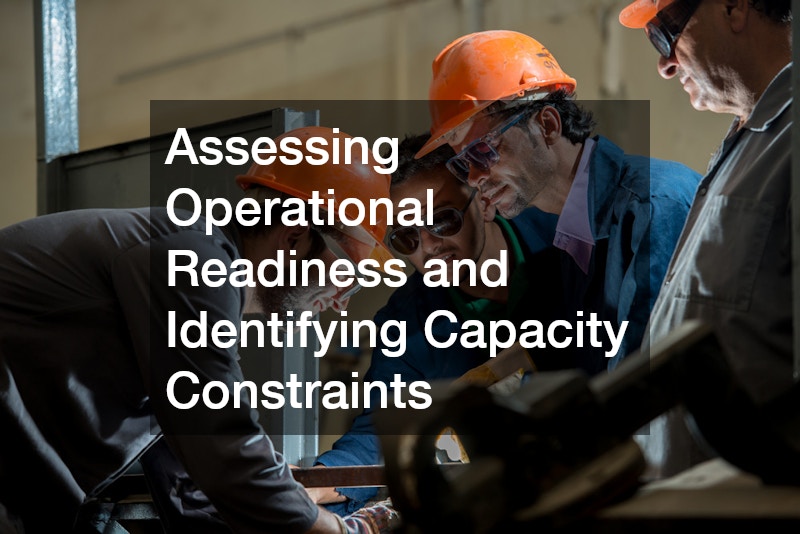
Before spending capital on new equipment or real estate, you must conduct a precise evaluation of your existing operations. Expanding an inefficient system only scales the inefficiency, multiplying waste and operational confusion across a larger footprint.
Conducting In-Depth Capacity Audits
A thorough capacity audit reveals the exact maximum output your facility can achieve under current conditions. This involves tracking overall equipment effectiveness, labor efficiency, material scrap rates, and actual throughput times across every shift.
-
Establish baseline metrics for machine uptime and cycle times across all primary production lines.
-
Measure labor productivity ratios to determine if labor shortages or training gaps are holding back output.
-
Map material handling movement to quantify time wasted transferring work-in-progress inventory across the shop floor.
-
Evaluate scrap rates and rework frequency to ensure quality controls remain intact during peak production cycles.
Pinpointing Bottlenecks Across the Assembly Line
Every manufacturing facility has a primary constraint that dictates the speed of the entire system. Identifying whether your bottleneck stems from raw material staging, machine processing time, assembly labor, or quality control inspection allows you to direct investment where it produces the highest return.
Removing a bottleneck requires targeted intervention rather than broad spending. If raw material preparation causes downstream delays, investing in high-speed staging tools yields immediate relief. If quality control creates backlogs, integrating automated inline testing equipment frees up throughput. Only after existing constraints are resolved should you contemplate expanding physical facilities.
Cultivating a Culture of Continuous Improvement
Even the most advanced facility cannot scale successfully without an engaged workforce dedicated to operational excellence. Implementing Lean Manufacturing, Six Sigma, or Kaizen frameworks empowers shop-floor employees to spot inefficiencies and suggest real-time refinements to everyday workflows.
-
Establish daily stand-up huddles to identify immediate production blockers and safety concerns.
-
Cross-train operators across multiple machine workstations to maintain output during unexpected absenteeism.
-
Standardize operating procedures with visual guides to ensure consistent quality across newly added shifts.
-
Reward employee-driven initiatives that reduce material waste or streamline assembly times.
Expanding Physical Infrastructure and Industrial Real Estate
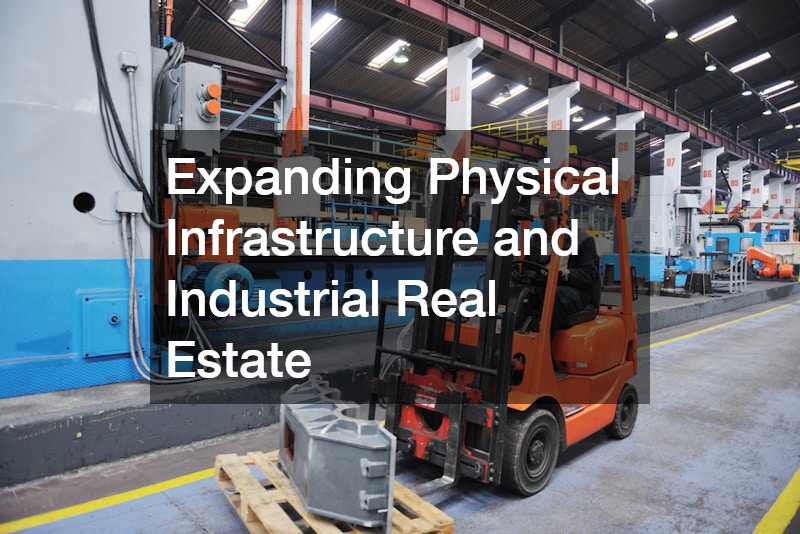
When existing space reaches total saturation, physical facility expansion becomes unavoidable. Expanding real estate requires balancing long-term financing strategies with rapid construction timelines to prevent lost sales opportunities.
Evaluating Property Acquisition and Capital Sources
Acquiring new land or expanding existing real estate parcels demands structured financing tailored to industrial development. When acquiring undeveloped sites for specialized factory additions, securing land loans provides the necessary capital to acquire real estate before breaking ground on complex construction projects.
Developing raw real estate allows manufacturers to design custom layouts optimized for modern lean manufacturing workflows. Choosing the right financing package early prevents cash flow starvation during the design and permitting phases of facility development.
Structuring Workspaces with Modular and Fast-Assembly Facilities
Speed to market is essential when customer demand surges. Constructing traditional concrete or brick structures can take years, whereas erecting pre engineered metal buildings significantly shortens development schedules while maintaining structural integrity.
-
Select modular building designs that allow for easy future expansion as production requirements increase.
-
Ensure clear-span interior designs to maximize usable floor space and permit flexible machinery positioning.
-
Design high-clearance ceilings to accommodate vertical storage systems and heavy overhead crane integration.
-
Plan dedicated bays for loading docks to separate incoming raw materials from outgoing finished goods logistics.
Partnering with Specialized Renovation and Construction Contractors
Retrofitting an existing warehouse or expanding an active plant requires experienced industrial builders who understand operational continuity. Engaging seasoned commercial remodeling companies ensures that structural modifications, HVAC upgrades, and partition installations occur without shutting down active assembly lines.
Experienced contractors manage permitting, structural reinforcements, and safety compliance while working around operating production shifts. Their expertise prevents costly structural oversights that could delay equipment installation or trigger municipal code violations.
Upgrading Structural Integrity and Surface Durability
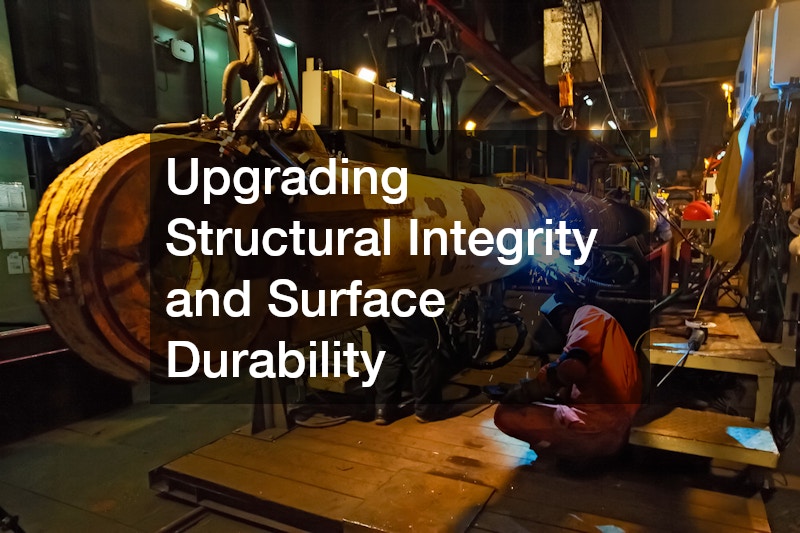
Heavy machinery, heavy forklift traffic, and continuous chemical exposure put immense strain on facility surfaces. Industrial plants must reinforce structural elements and floor surfaces to withstand intense scaling demands.
Applying High-Performance Floor Coatings for Heavy Equipment
Industrial concrete floors deteriorate rapidly under increased forklift traffic and chemical spills, creating dust and hazardous uneven surfaces. Installing a commercial floor coating protects the underlying slab, reduces dust contamination in sensitive production areas, and improves shop-floor light reflectivity.
-
Apply high-solids epoxy or urethane slurries to protect concrete from heavy impact and chemical exposure.
-
Incorporate anti-slip aggregate textures in wet processing zones to ensure worker safety during high-volume operations.
-
Use color-coded line striping within the coating system to clearly demarcate pedestrian walkways and forklift lanes.
-
Select fast-curing resin formulas during facility retrofits to minimize production downtime during application.
Protecting Aging Roofing and External Surfaces
Expanding production often means bringing older auxiliary structures back into intensive use. Applying a commercial restoration coating over existing metal or membrane roofs seals micro-fractures, stops leaks, and extends roof life without the capital expense of full replacement.
Roof restoration also increases thermal efficiency, lowering energy costs for climate-controlled manufacturing environments. Keeping building envelopes watertight prevents moisture damage to sensitive machinery, raw materials, and electrical infrastructure.
Utilizing Specialized Metal Fabrication for Custom Workstations
Standard off-the-shelf facility fixtures rarely fit unique manufacturing processes. Partnering with a custom steel fabrication firm allows factory operations to build tailor-made structural supports, heavy-duty mezzanine platforms, and specialized material handling racks.
Custom structural components maximize vertical cubic space and streamline ergonomics for assembly line workers. High-strength custom steel frameworks support heavy overhead hoists, automated conveyor tracks, and specialized production machinery safely.
Implementing Modern Production Technologies and Automation
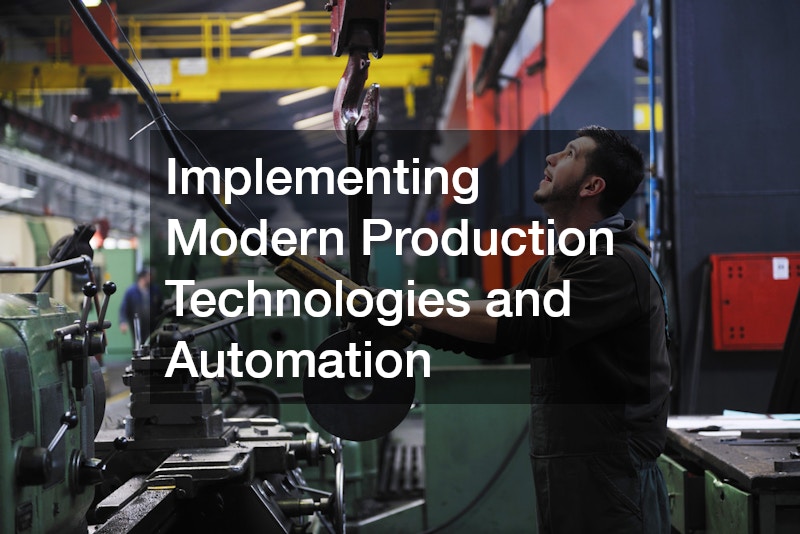
Technology serves as the primary force multiplier when scaling manufacturing output. Transitioning from legacy manual systems to automated digital workflows increases precision while reducing labor costs per unit.
Transitioning to High-Precision Automated Systems
Adopting cutting edge manufacturing technologies such as multi-axis CNC robotics, automated guided vehicles, and continuous inspection sensors allows facilities to multiply output without multiplying headcount.
-
Deploy industrial robotic arms for repetitive tasks like welding, palletizing, and machine tending.
-
Implement vision-based quality control systems to detect surface defects at high line speeds.
-
Integrate automated material handling vehicles to transport components seamlessly between work centres.
-
Install smart sensor networks across legacy machinery to monitor performance and predict maintenance needs.
Integrating Digital Process Control and Monitoring
Scaling output requires real-time visibility into overall shop-floor operations. Modern Enterprise Resource Planning and Manufacturing Execution Systems monitor inventory levels, track work orders, and log machine performance instantly.
Digital process controls eliminate paper job travelers and reduce communication errors between shifts. When managers track real-time machine uptime metrics, they can make data-driven adjustments immediately rather than analyzing problems days after a batch is completed.
Optimizing Utility Infrastructure and Cold-Chain Logistics
Increased production puts exponential demands on building utilities and outbound logistics. Neglecting plumbing, waste management, or temperature-controlled transport creates severe operational bottlenecks.
Modernizing Industrial Plumbing and Liquid Waste Systems
Increased manufacturing volume generates larger volumes of process wastewater and places heavy demands on facility utility lines. Working with qualified local commercial plumbers ensures that high-volume water supply systems, backflow preventers, and industrial trade waste filtration units meet municipal discharge regulations.
-
Upgrade incoming water supply lines to support expanded cooling towers and process rinse tanks.
-
Install heavy-duty grease traps, oil-water separators, and chemical neutralization tanks prior to sewer discharge.
-
Schedule routine preventative maintenance on high-capacity drainage systems to eliminate backup risks.
-
Ensure code compliance for emergency eyewash stations and safety showers across expanding chemical handling zones.
Managing Temperature-Controlled Fleet and Logistics Assets
For manufacturers of food, pharmaceuticals, or sensitive chemicals, expanding output requires immediate scaling of temperature-controlled shipping capabilities. Browsing a refrigerator trailer sale provides access to specialized haulage units that maintain precise climate control during regional distribution expansion.
Adding cold-chain fleet assets prevents product spoilage while extending your distribution radius. Owning or leasing dedicated climate-controlled trailers protects product integrity from the factory loading dock directly to the client destination.
Streamlining Supply Chain Resiliency and Raw Material Flows
Expanding physical capacity yields little benefit if inventory shortages halt production lines. Manufacturers must build robust, multi-sourced supply networks to insulate operations from regional transport disruptions or material shortages.
-
Establish dual-sourcing strategies for mission-critical components to eliminate single points of failure.
-
Implement vendor-managed inventory programs to maintain optimal raw material buffer stocks on site.
-
Build strategic partnerships with local freight carriers to guarantee transport capacity during peak seasons.
-
Leverage predictive analytics to anticipate lead time fluctuations and order materials proactively.
Establishing Robust Environmental and Safety Compliance Systems
Rapid operational growth often invites heightened scrutiny from regulatory bodies and local authorities. As production volumes escalate, facilities generate more municipal waste, consume significantly higher energy levels, and introduce new shift workers who must be kept safe. Establishing proactive environmental, health, and safety protocols prevents costly regulatory fines or catastrophic work stoppages that can instantly halt momentum. Building compliance directly into daily operations ensures that scaling does not come at the cost of workplace safety or environmental degradation.
Implementing systematic safety audits and environmental monitoring protocols creates a stable Foundation for long-term growth. Dedicated safety committees should regularly review shop-floor ergonomics, chemical storage procedures, and machine guarding mechanisms. Investing in continuous safety training programs for new hires reduces workplace injury risks, lowers workers compensation premiums, and fosters an organizational culture where operational speed never compromises worker well-being.
Managing Capital Allocation, Taxes, and Growth Financing
Rapid physical expansion requires disciplined financial management. Accelerating capital expenditure without structured tax planning can strain cash flow during critical growth phases.
Working with Financial Advisors for Scaling Operations
Navigating capital depreciation, equipment leasing, and expanding payroll requires specialized industrial accounting. Partnering with a knowledgeable local cpa ensures your enterprise takes full advantage of equipment depreciation write-offs, research grants, and manufacturing tax credits.
An experienced financial advisor helps structure major capital purchases to preserve liquid working capital. Proper financial forecasting balances debt service against projected revenue gains, keeping your growing business financially stable.
-
Utilize Section 179 and bonus depreciation allowances to offset capital expenditures on new manufacturing machinery.
-
Establish dedicated credit facilities to finance inventory accumulation ahead of seasonal demand spikes.
-
Structure equipment leases to match cash inflows with equipment revenue generation.
-
Monitor working capital ratios continuously to prevent cash pinches caused by long customer payment terms.
Scaling manufacturing operations successfully requires far more than simply running production lines for longer hours. It demands a holistic, well-sequenced strategy that addresses facility design, physical structural protection, high-precision automation, utility infrastructure, logistics assets, and financial planning. By systematically identifying bottlenecks, upgrading facility surfaces, utilizing custom modular structures, and maintaining rigorous financial oversight, your company can expand capacity gracefully while preserving product quality and operating margins. With careful preparation and strategic capital investment, your manufacturing business can turn sudden demand spikes into long-term market dominance. Organizations that execute this balanced approach position themselves to adapt seamlessly as future market conditions evolve. Ultimately, continuous operational refinement transforms the complex challenge of scaling into a sustainable engine for ongoing business expansion.